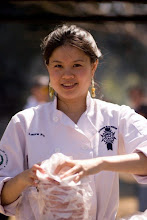
Did a Mother's Day lunch for a special family over the weekend, and as usual, everything was fabulous, but I got the most props on my famous meatballs, so I'm posting it here!
The secret to making great tasting meatballs? Just use ingredients that you're familiar with, and always, always, do a taste test before you roll them out! If you can let the flavors marinate overnight before rolling them out, even better.
The other great thing about this is that it freezes really well, and you can always have a stash for a quick appetizer, or something to throw into a red pasta sauce for spaghetti & meatballs; but that's only if it lasts that long!
Enjoy ~
Chef Laura's OMG Meatballs
Makes 36, 1 oz meatballs
1/2 lb Ground Beef
1/2 lb Sweet Italian Sausage
1/2 each Onion, sliced into half moons
1/4 cup Sundried tomatoes in oil, chopped
2 cloves Garlic, minced
1/2 cup Feta, Crumbled
2 Tbs Parmesan Cheese
2 Tbs Breadcrumbs
1 tsp Paprika
2 Tbs Olive Oil
Salt & Pepper to taste
1. Heat the oil in a heavy saute pan
2. Add the onion slices, and caramelize on medium until golden brown, about 20 minutes (keep stirring or this burns)
3. Remove from heat, and let cool; chop into a rough paste
4. Combine all the remaining ingredients in a bowl
5. Use your hands to mix well, season with salt & pepper
6. Do a taste test by frying up a small portion of the mixture
7. Divide mixture into 1 oz portions, and roll into balls
8. Arrange meatballs on metal tray and freeze
9. Once frozen, store in airtight container or zip lock bags for up to 3 months
10. When ready to use, arrange meatballs in a single layer on a baking sheet at bake at 400F for 10 minutes
Spinach Yogurt Sauce
2 cups Spinach leaves
2 Tbs Olive Oil
1 cup Greek Yogurt
2 cloves Garlic, sliced
Salt & Pepper to taste
1. Heat the oil in a saute pan, and cook the spinach until wilted
2. Using a food processor, combine all ingredients, and pulse till spinach is finely chopped
3. Store in an airtight container overnight before using, this allows the flavor to develop
Showing posts with label beef. Show all posts
Showing posts with label beef. Show all posts
Monday, May 10, 2010

Friday, April 16, 2010
Gigya's Winning Chile Verde Recipe
To celebrate the close of an extremely successful Q1, Gigya held a Chili Cookoff in conjunction with poker night. I might have lost all my money at poker, but I did win a $100 with my award winning Chile Verde. I promised to post the recipe if I won, so here it is!

Although chile verde is usually made with pork, (and you can definitely use that meat if you prefer), I used oxtail for this one because it's a slightly richer meat that's not often found in restaurants.
The chile verde sauce also works really well as a side sauce for meats and fish, if you're using it that way, omit the onion, and add 1/2 cup of olive oil.
Good luck!
Gigya's Oxtail Chile Verde
Serves 8
5 lbs Oxtail
4 cups Chile Verde
2 Tbs Oil
Chicken broth
Salt & pepper to taste
Heat the oil in a large sauce pan, and sear the oxtail on all sides, until nicely browned
To this in batches as necessary
Add the chile verde sauce, and enough chicken broth to cover the oxtail
Cover pot and braise in a 320F oven for about 2.5 hrs or until meat falls off the bone
Pick the meat off the bone and serve hot
Season to taste
Optional Garnish: Sour cream, queso fresca, cilantro
Chile Verde Sauce
Makes about 4 cups
4 ea Poblano Chilies
3 ea Jalapeno Chilies
8 ea Anaheim Chilies
6 ea Tomatillos
4 ea Green Onions
1 ea Green Pepper
3 ea Limes, juiced
1 ea Yellow onion
4 cloves Garlic
1 bu Cilantro
Salt to taste
Roast the peppers and tomatillos until skin is charred
Leave to cool, then peel peppers
Combine all ingredients in a blender
Season to taste
To serve as a sauce, omit the yellow onion, and add 1/2 cup olive oil when processing
Although chile verde is usually made with pork, (and you can definitely use that meat if you prefer), I used oxtail for this one because it's a slightly richer meat that's not often found in restaurants.
The chile verde sauce also works really well as a side sauce for meats and fish, if you're using it that way, omit the onion, and add 1/2 cup of olive oil.
Good luck!
Gigya's Oxtail Chile Verde
Serves 8
5 lbs Oxtail
4 cups Chile Verde
2 Tbs Oil
Chicken broth
Salt & pepper to taste
Heat the oil in a large sauce pan, and sear the oxtail on all sides, until nicely browned
To this in batches as necessary
Add the chile verde sauce, and enough chicken broth to cover the oxtail
Cover pot and braise in a 320F oven for about 2.5 hrs or until meat falls off the bone
Pick the meat off the bone and serve hot
Season to taste
Optional Garnish: Sour cream, queso fresca, cilantro
Chile Verde Sauce
Makes about 4 cups
4 ea Poblano Chilies
3 ea Jalapeno Chilies
8 ea Anaheim Chilies
6 ea Tomatillos
4 ea Green Onions
1 ea Green Pepper
3 ea Limes, juiced
1 ea Yellow onion
4 cloves Garlic
1 bu Cilantro
Salt to taste
Roast the peppers and tomatillos until skin is charred
Leave to cool, then peel peppers
Combine all ingredients in a blender
Season to taste
To serve as a sauce, omit the yellow onion, and add 1/2 cup olive oil when processing
Friday, October 16, 2009
When life gives you vodka, make a sauce!
Every good cook needs to be able to make a good tomato based meat sauce. It's the base of many dishes - spaghetti, lasagna, chili, and even meat loaf, so the classic recipe needs to be extremely easy to put together, and made with ingredients that are always within pantry reach.
I've made numerous changes to the recipe over the years (check this one out from last year here), but the recipe will always have the following ingredients: A beef & pork mix (pork for texture and flavor), tomatoes (canned when you are in a pinch), tomato paste (not always bad for you), onions. The secret ingredient is always an alcohol, and I think this recipe tops the lot with the alcohol of choice - Vodka!
Here's the recipe!
Vodka Meat Ragu
2 lbs Pork & Beef, Hand Ground
1 lbs Mixed Tomatoes,diced, preferably Roma, cherry, sweet 100s
1 ea Carrot, Brunoise
1 ea Celery, Brunoise
1/4 ea Onion, Bruinoise
1 cup Vodka
2 tbs Tomato Paste
2 tbs Fresh Herb, minced - parsley, oregano, basil & thyme recommended
4 tbs Olive Oil
Salt, pepper & sugar to taste
1. Heat the oil in a heavy saute pan & brown meat, working in batches if necessary
2. Removed meat into a saucepot and add the tomato paste and cook for an additional 2 minutes
3. Add the tomatoes to the saucepot and leave to simmer
4. In the browned saute pan, add the onions to brown lightly, adding a little more oil if necessary
5. Add the carrots and celery and saute, then add the vodka to deglaze the pan, scraping up the brown bits
6. Keep the vodka mixture boiling until all the alcohol burns off - be careful, vapor might ignite, but it's nothing to worry about
7. Add the vodka liquid and vegtables into the saucepot with the meat, stir in the minced herb
8. Simmer until tomatoes cook down and sauce has a thick consistency
9. Season to taste with salt, pepper & sugar
Leave to cool, and best served after the sauce is left to sit for about 2 days in the fridge
I've made numerous changes to the recipe over the years (check this one out from last year here), but the recipe will always have the following ingredients: A beef & pork mix (pork for texture and flavor), tomatoes (canned when you are in a pinch), tomato paste (not always bad for you), onions. The secret ingredient is always an alcohol, and I think this recipe tops the lot with the alcohol of choice - Vodka!
Here's the recipe!
Vodka Meat Ragu
2 lbs Pork & Beef, Hand Ground
1 lbs Mixed Tomatoes,diced, preferably Roma, cherry, sweet 100s
1 ea Carrot, Brunoise
1 ea Celery, Brunoise
1/4 ea Onion, Bruinoise
1 cup Vodka
2 tbs Tomato Paste
2 tbs Fresh Herb, minced - parsley, oregano, basil & thyme recommended
4 tbs Olive Oil
Salt, pepper & sugar to taste
1. Heat the oil in a heavy saute pan & brown meat, working in batches if necessary
2. Removed meat into a saucepot and add the tomato paste and cook for an additional 2 minutes
3. Add the tomatoes to the saucepot and leave to simmer
4. In the browned saute pan, add the onions to brown lightly, adding a little more oil if necessary
5. Add the carrots and celery and saute, then add the vodka to deglaze the pan, scraping up the brown bits
6. Keep the vodka mixture boiling until all the alcohol burns off - be careful, vapor might ignite, but it's nothing to worry about
7. Add the vodka liquid and vegtables into the saucepot with the meat, stir in the minced herb
8. Simmer until tomatoes cook down and sauce has a thick consistency
9. Season to taste with salt, pepper & sugar
Leave to cool, and best served after the sauce is left to sit for about 2 days in the fridge
Wednesday, August 5, 2009
Jaffa to Jerusalem - Chef Laura in Israel Part 3
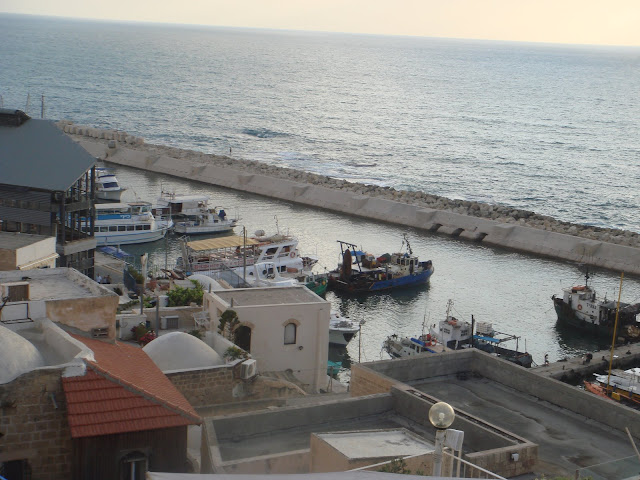
The oldest port in the world is under construction, but that didn't distract from the historic awe that I indulged myself in when I visited Jaffa. The old city is atop a hill and you get an awesome view of the harbor that brought in cedars from Lebanon for both the first and second temples of Jerusalem.
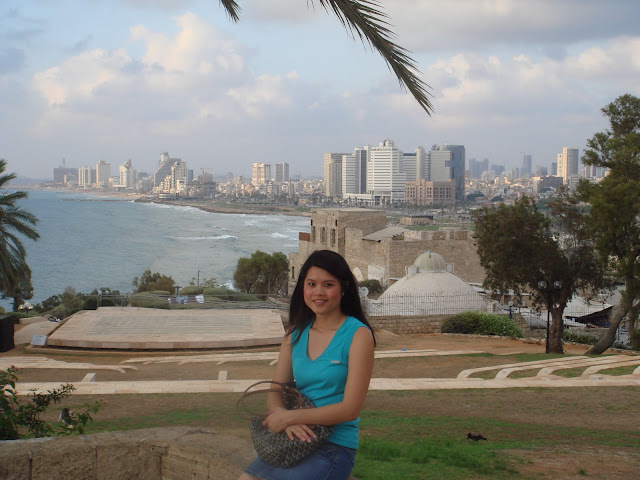
A great view of Tel Aviv from Jaffa

Modern Jaffa thrives on it's antiquity, with a quaint old town feel. Even the night street market reminds me of an old bazaar, completely different from contemporary Tel Aviv, which is just a 10 minute walk north. Street side stalls of shwarma, falafel and shish kebab abound, but we chose to visit Noa, a cute little Mediterranean bistro on a side alley. Noa is the little sister to Cordelia, the more famous and upmarket restaurant just around the corner, with the same chef, and from reviews, equally good.
They had a tasting menu going on with a couple of first courses to share, and then a main course each.


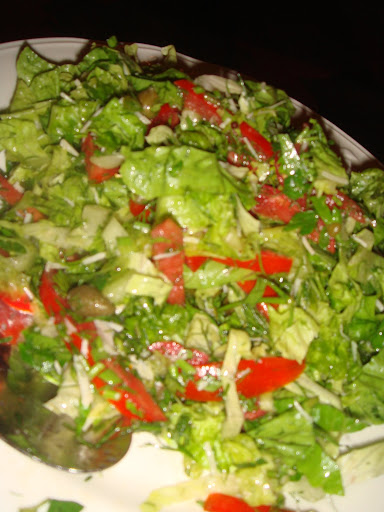
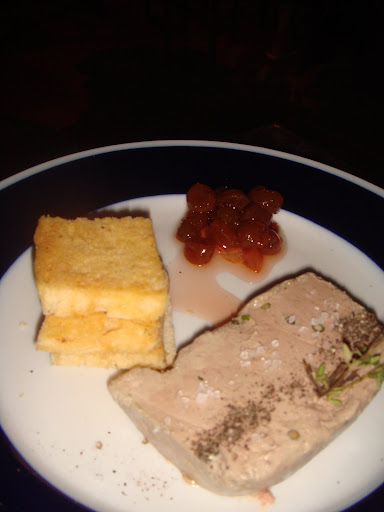
My dining partner was a great sport, and humored my appetite by allowing me to order an extra liver pate (which of course I absolutely love), even on severe warning from the waitress that it was a lot of food (rubbish!). The best plate was the sea bream carpaccio, which was thinly sliced (think Hirame), then dressed in olive oil, sea salt and chives. Super simple, super fresh, and super delicious.

As mentioned earlier the pate was fantastic, but what I really loved was the macerated raisins which became plump with a good dose of dessert wine, not unlike what I serve my foie gras with.
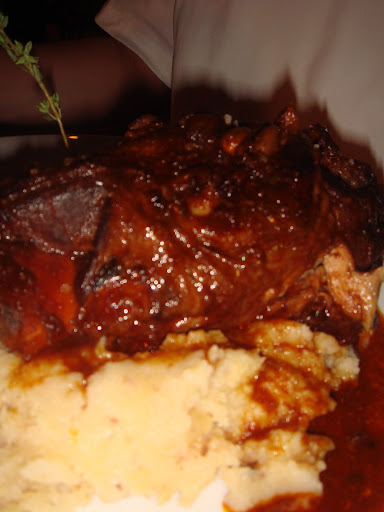
We tried the lamb kebabs which was stuffed with goat cheese, and a braised pork shank which had cooked for hours and was completely falling off the bone. The kebabs were a bit more unique, but the shank was a better dish. How can you go wrong with a good braising technique anyway, especially with all that good fat around the lean meat? Note to self - if you want to impress, braise.


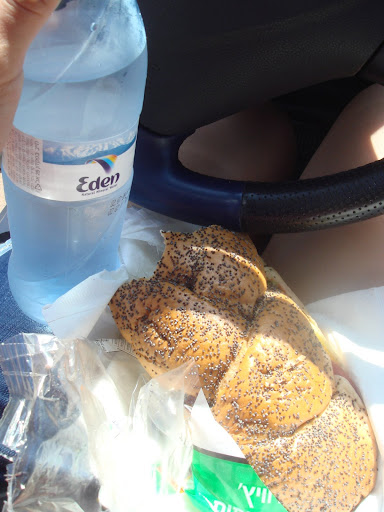
After eating so well on Thursday night, by breakfast on Friday seemed comparatively blah - a Challah Egg Sandwich and mineral water, which I munched on while driving to Ein Gedi (I'm a safe driver, I swear!).
It wasn't a bad drive at all, in fact completely enjoyable, especially when I noticed the difference between the lush greenery on the West of Jerusalem, and then the acrid desert to the East. In the wilderness of Judea, I spotted a couple of very interesting things, included a decked out camel and goats on a hill.

My ears also kept popping as I drove further down the 400m towards the Dead Sea.

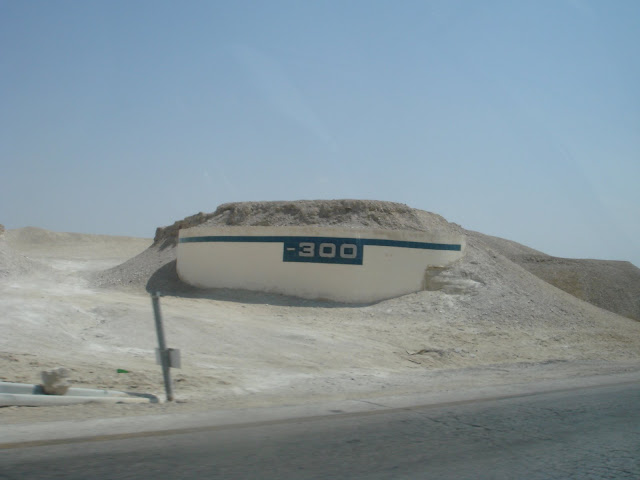
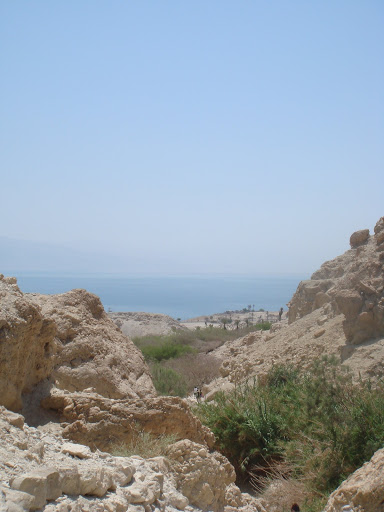
I arrived at Ein Gedi in the heat of the day, and I'm not sure what I was thinking (but the kiosk at the foot of the hike knows, trust me - they charge you 3X the price for water), but I took the hike up to Wadi David, cooling off in the freshwater pools along the way.


It amazed me to know that such beautiful oases could survive just a stone's throw away from the Dead Sea which can hold no life all (not known to man anyway).
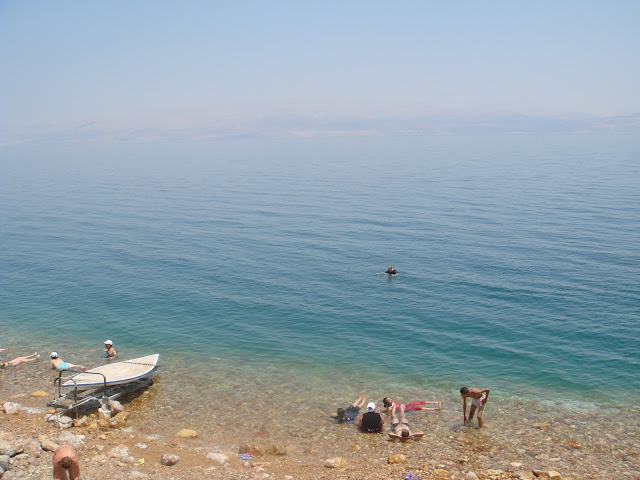
After a float in the Dead Sea and a self-attending spa treatment by caking myself in the blackest of mud, my skin was ultra soft, and it was just in time for me to make the 45 minute drive further south to Ein Bokek, where I would spend the night.

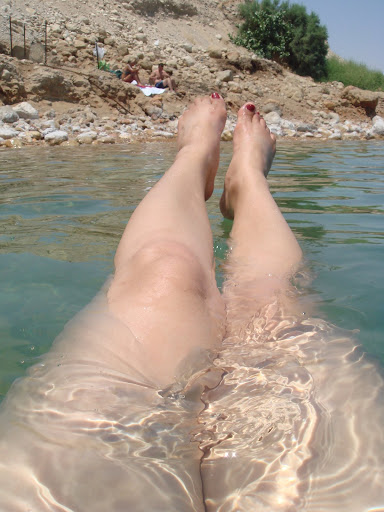
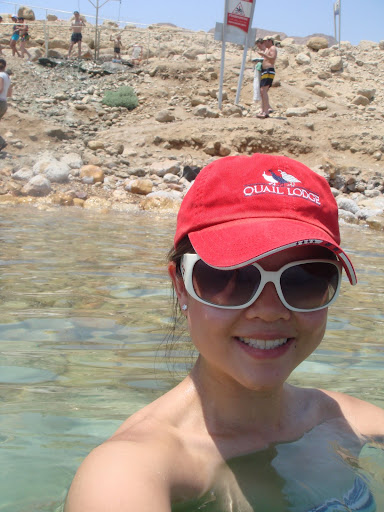

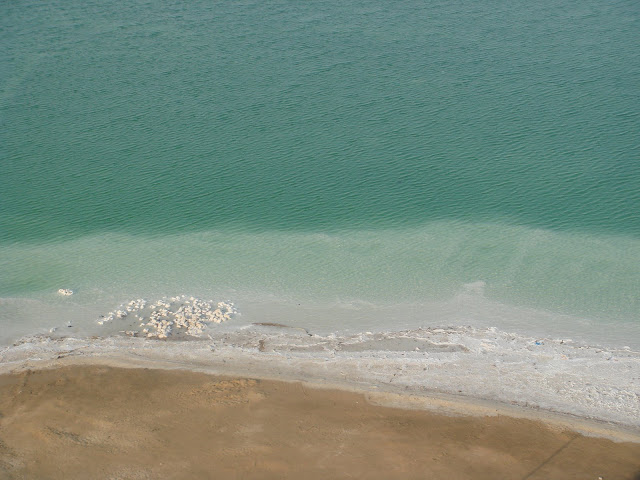
This took me past Masada, unfortunately, I wasn't able to stop because it was just so damn hot (45C). I arrived just in time to take another dip in the salt pools which used to be part of the Dead Sea before it dried up and water had to be pumped in. Unlike the ultra-cool float at Ein Gedi, the water at Ein Bokek was like a hot tub - except that in mid afternoon, it was unbearably hot, so I headed back to my room to watch the sunset instead.
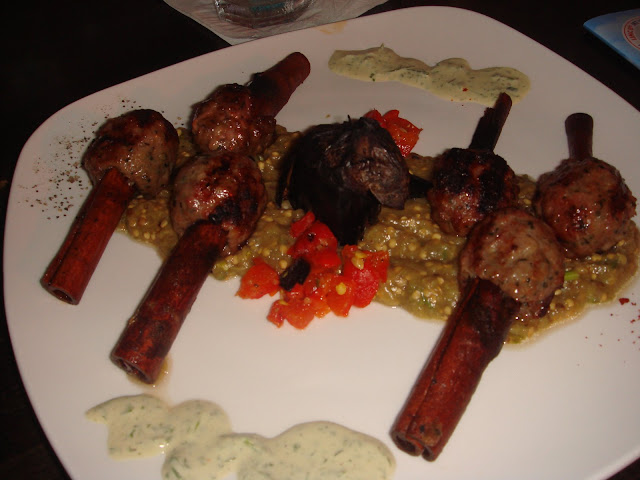
Fortunately, even on shabbat there was a great (relatively speaking) restaurant around the corner called Quattro, and I was able to escape the hotel buffet to have dinner there. The food was not bad, fried calamari and lamb kebabs again, served with a delicious eggplant mash.

For dessert, I had the Belgium waffle with ice cream and bananas, enough to feed another 3 more people and then some. I chatted with Maya, my friendly waitress, until she had to go back to work.

I woke up early the next morning (6am) to make the drive back to Jerusalem in time for the 9am tour. Conveniently enough, my GPS kept trying to take me into Jericho. It's a good thing I have a great sense of direction - for a girl anyway. Unfortunately, that was not enough to save me from Jerusalem, which is ridiculously complicated and has no city planning at all. I guess they didn't do that sort of thing 3000 years ago.
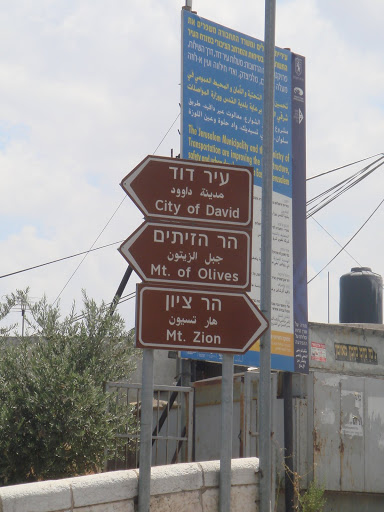
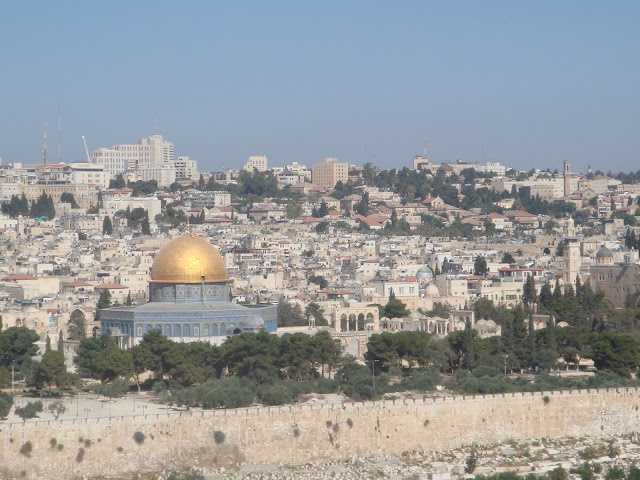
Jerusalem from the Mount of Olives

Mercy Gates
The day tour took us into Bethlehem, and to every single Jerusalem sight you can think of, including the Western Wall where I was yelled at for taking pictures on Shabbat.

The best picture I could get of the Western Wall
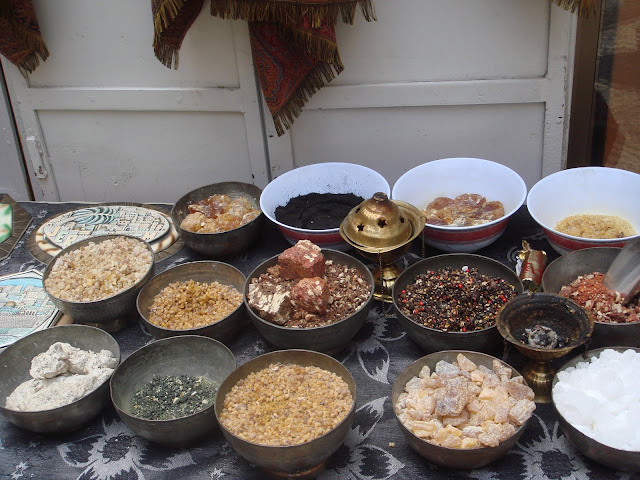
Incense at the Bazaar

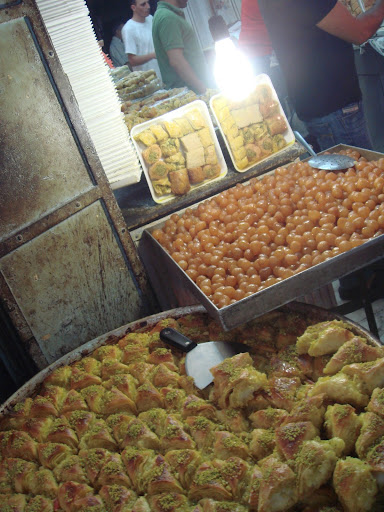
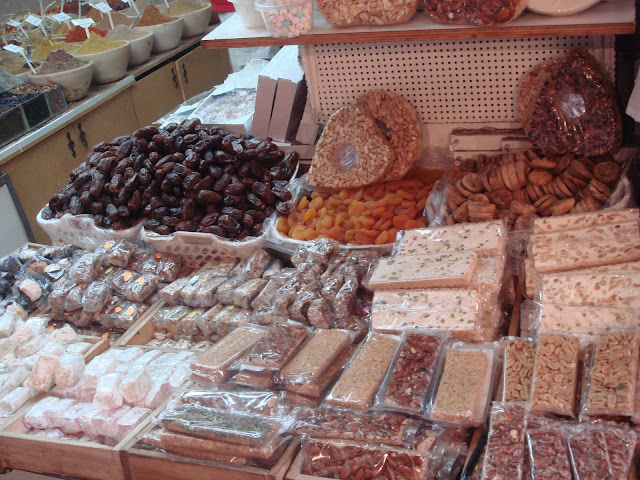
Arab Sweets that I missed
Lunch was completely uneventful, and at the end of the day, all I wanted to do was... eat (no surprised there). After much trouble with trying to check in before sunset on a Saturday (that will teach me - next time just pick a name brand hotel, come on!), I headed out for dinner at a place which I was reassured several times that the food was very good.

Church of the Holy Sepulchre
Askadinya is on Shimon Ha Tsedek Street in East Jerusalem, tucked away in a remodeled 19th century house with limestone walls and arched doorways. I was on my own again when it came to dinner, and on recommendation, ordered the beef steak with a tasty green pepper and garlic dressing and sauteed baby potatoes and squash.
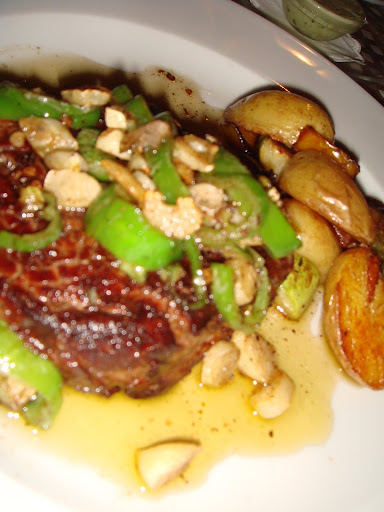
Actually my first steak in Israel
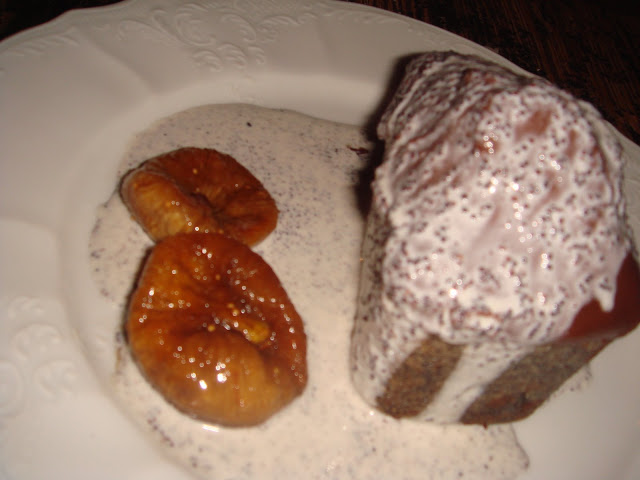
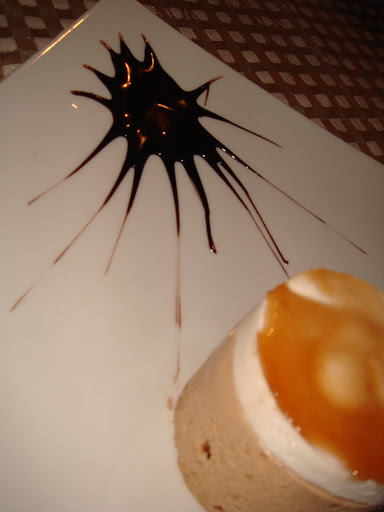
I was desperate to have some Arab sweets for dessert, which unfortunately they did not have, so I had to make do with the peanut mousse cake, topped with an Italian meringue (marshmallow), which was quite unique, and something that I will probably try to replicate.
I finished off the night having drinks at the Blue Hole, an Irish (I know huh?) Pub , which was busy till the wee small hours of the morn, evidence that the Nightlife also exists outside Tel Aviv.

A crazy Shisha shop round the corner form the Blue Hole
Sadly, this was the close of my weekend in Jerusalem, and I left for Tel Aviv on Sunday for the coup de grace - but that, as they say, is another post!
A great view of Tel Aviv from Jaffa

Modern Jaffa thrives on it's antiquity, with a quaint old town feel. Even the night street market reminds me of an old bazaar, completely different from contemporary Tel Aviv, which is just a 10 minute walk north. Street side stalls of shwarma, falafel and shish kebab abound, but we chose to visit Noa, a cute little Mediterranean bistro on a side alley. Noa is the little sister to Cordelia, the more famous and upmarket restaurant just around the corner, with the same chef, and from reviews, equally good.
They had a tasting menu going on with a couple of first courses to share, and then a main course each.


My dining partner was a great sport, and humored my appetite by allowing me to order an extra liver pate (which of course I absolutely love), even on severe warning from the waitress that it was a lot of food (rubbish!). The best plate was the sea bream carpaccio, which was thinly sliced (think Hirame), then dressed in olive oil, sea salt and chives. Super simple, super fresh, and super delicious.

As mentioned earlier the pate was fantastic, but what I really loved was the macerated raisins which became plump with a good dose of dessert wine, not unlike what I serve my foie gras with.
We tried the lamb kebabs which was stuffed with goat cheese, and a braised pork shank which had cooked for hours and was completely falling off the bone. The kebabs were a bit more unique, but the shank was a better dish. How can you go wrong with a good braising technique anyway, especially with all that good fat around the lean meat? Note to self - if you want to impress, braise.


After eating so well on Thursday night, by breakfast on Friday seemed comparatively blah - a Challah Egg Sandwich and mineral water, which I munched on while driving to Ein Gedi (I'm a safe driver, I swear!).
It wasn't a bad drive at all, in fact completely enjoyable, especially when I noticed the difference between the lush greenery on the West of Jerusalem, and then the acrid desert to the East. In the wilderness of Judea, I spotted a couple of very interesting things, included a decked out camel and goats on a hill.

My ears also kept popping as I drove further down the 400m towards the Dead Sea.

I arrived at Ein Gedi in the heat of the day, and I'm not sure what I was thinking (but the kiosk at the foot of the hike knows, trust me - they charge you 3X the price for water), but I took the hike up to Wadi David, cooling off in the freshwater pools along the way.


It amazed me to know that such beautiful oases could survive just a stone's throw away from the Dead Sea which can hold no life all (not known to man anyway).
After a float in the Dead Sea and a self-attending spa treatment by caking myself in the blackest of mud, my skin was ultra soft, and it was just in time for me to make the 45 minute drive further south to Ein Bokek, where I would spend the night.


This took me past Masada, unfortunately, I wasn't able to stop because it was just so damn hot (45C). I arrived just in time to take another dip in the salt pools which used to be part of the Dead Sea before it dried up and water had to be pumped in. Unlike the ultra-cool float at Ein Gedi, the water at Ein Bokek was like a hot tub - except that in mid afternoon, it was unbearably hot, so I headed back to my room to watch the sunset instead.
Fortunately, even on shabbat there was a great (relatively speaking) restaurant around the corner called Quattro, and I was able to escape the hotel buffet to have dinner there. The food was not bad, fried calamari and lamb kebabs again, served with a delicious eggplant mash.

For dessert, I had the Belgium waffle with ice cream and bananas, enough to feed another 3 more people and then some. I chatted with Maya, my friendly waitress, until she had to go back to work.

I woke up early the next morning (6am) to make the drive back to Jerusalem in time for the 9am tour. Conveniently enough, my GPS kept trying to take me into Jericho. It's a good thing I have a great sense of direction - for a girl anyway. Unfortunately, that was not enough to save me from Jerusalem, which is ridiculously complicated and has no city planning at all. I guess they didn't do that sort of thing 3000 years ago.
Jerusalem from the Mount of Olives

Mercy Gates
The day tour took us into Bethlehem, and to every single Jerusalem sight you can think of, including the Western Wall where I was yelled at for taking pictures on Shabbat.

The best picture I could get of the Western Wall
Incense at the Bazaar

Arab Sweets that I missed
Lunch was completely uneventful, and at the end of the day, all I wanted to do was... eat (no surprised there). After much trouble with trying to check in before sunset on a Saturday (that will teach me - next time just pick a name brand hotel, come on!), I headed out for dinner at a place which I was reassured several times that the food was very good.

Church of the Holy Sepulchre
Askadinya is on Shimon Ha Tsedek Street in East Jerusalem, tucked away in a remodeled 19th century house with limestone walls and arched doorways. I was on my own again when it came to dinner, and on recommendation, ordered the beef steak with a tasty green pepper and garlic dressing and sauteed baby potatoes and squash.
Actually my first steak in Israel
I was desperate to have some Arab sweets for dessert, which unfortunately they did not have, so I had to make do with the peanut mousse cake, topped with an Italian meringue (marshmallow), which was quite unique, and something that I will probably try to replicate.
I finished off the night having drinks at the Blue Hole, an Irish (I know huh?) Pub , which was busy till the wee small hours of the morn, evidence that the Nightlife also exists outside Tel Aviv.

A crazy Shisha shop round the corner form the Blue Hole
Sadly, this was the close of my weekend in Jerusalem, and I left for Tel Aviv on Sunday for the coup de grace - but that, as they say, is another post!
Monday, June 22, 2009
Seoul Eats Seoul Food - Chef Laura in Korea Part 4
The last leg of our South Korea trip took us back to Seoul. The Westin Chosun is right in the heart of the city, bordering Myeong Dong and Namdaemun. (My inner shopaholic defines those two locations by Lotte and Shinsegae departmental stores). This made it very convenient for us to visit Seoul's gems, from their old Palaces to the bustling street markets - although we cabbed anyway!
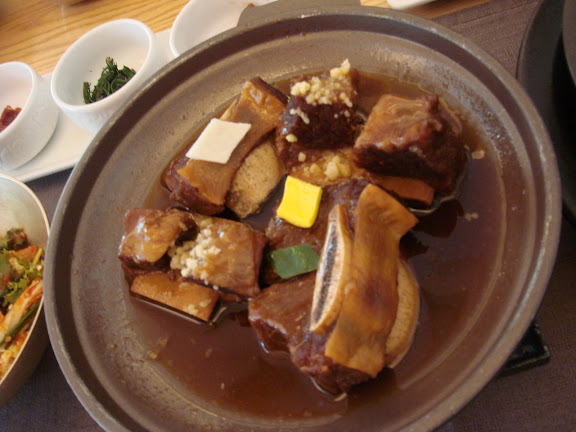
We asked for recommendations from the concierge, and she sent us to Han-Miri, a traditional hanjeongsik place in Samsung-dong (Yes, Samsung). Hanjeongsik is also known as "Royal Cuisine" as it was served in the royal palaces to Kings. Hanjeongsik puts any 9-course tasting menu to shame, with multiple course, and a plethora of side dishes. It seemed like every time we thought it was the end of the meal, a new course came out of the kitchen on a trolley. Similar to Omakase, the menu is seasonal and the meals you get are vastly different according to the time of year or region.
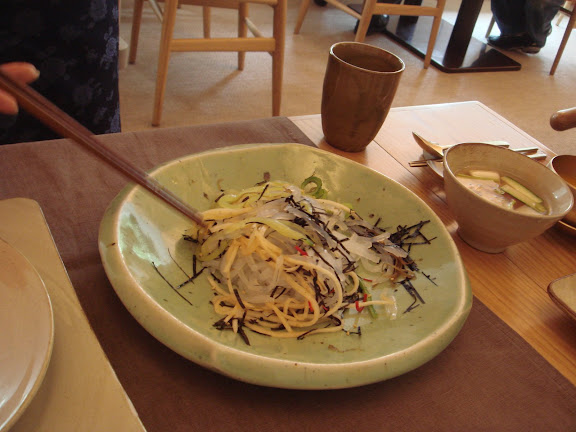
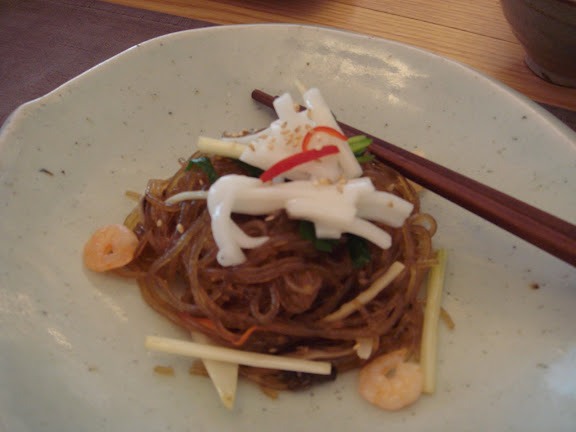
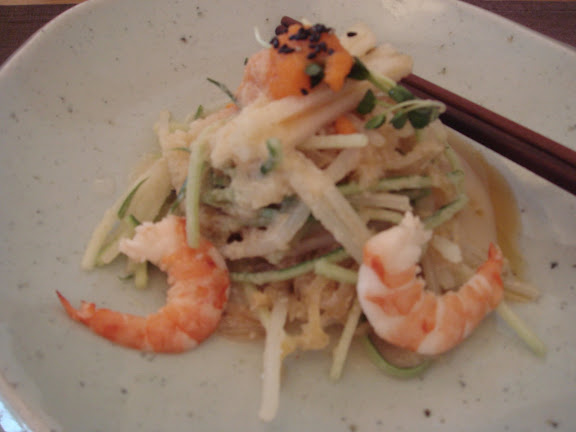
The food was absolutely delicious, and very finely prepared. Not only did the flavor appease my palate, but the colors and presentation were so delicate that we feasted with our eyes also.

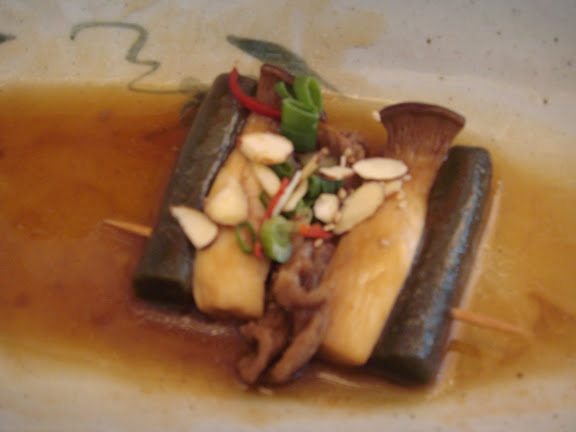
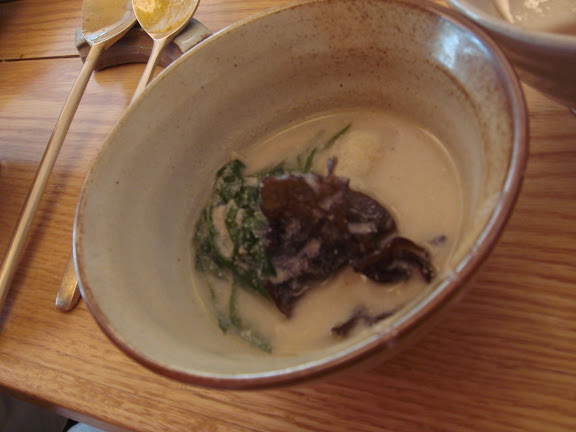
I can't believe how ignorant I was about the cuisine, especially since I've had Korean food on numerous occasions here in the US. I guess that's just like saying I tried McDonald's in Singapore and so that what I think American food tastes like. I can't say that I truly experienced Korean cuisine until that meal, and I will never again say that Korean food is about soy, sugar and kimchee.
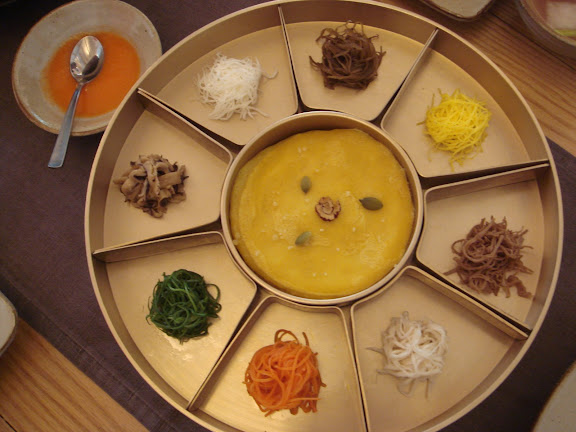
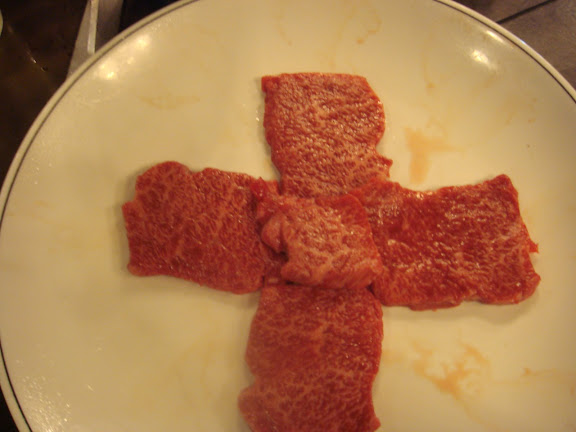
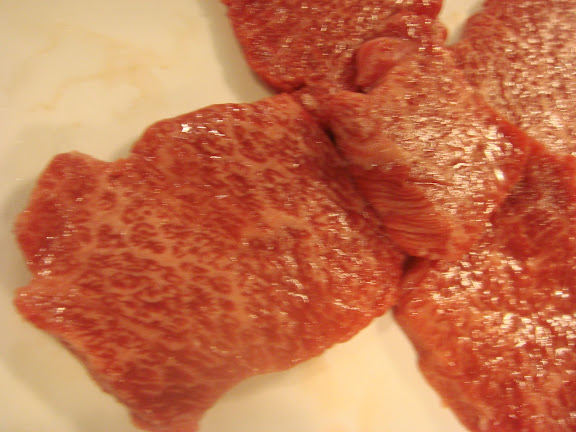
You can't think Korean food without barbeque of course, and I had already satisfied my craving for in when we first arrived. However on this occasion, we visited Woori Garden, a Korean barbeque restaurant in the middle of Itaewon. We asked the owner to recommend the best beef he had, and it turned out to be the Korean beef, Hanu. Hanu is a breed of cattle native to Korea and is as equally prized to the Koreans as Kobe is to the Japanese. Frankly, it was delicious, and half the price of Kobe. So, if I could choose, I would buy Hanu - except that it's so rare, there's not enough for export. The owner personally helped us to grill the Hanu slices, and when he stepped away for just a moment, he made sure that his assistant was close by to make sure that the prized beef was cooked to perfection, and not left to our own amateur grilling devices :D
So far my quest for Seoul food was going very well, but stay tuned for more on the Korea trip. Pictures coming soon!
We asked for recommendations from the concierge, and she sent us to Han-Miri, a traditional hanjeongsik place in Samsung-dong (Yes, Samsung). Hanjeongsik is also known as "Royal Cuisine" as it was served in the royal palaces to Kings. Hanjeongsik puts any 9-course tasting menu to shame, with multiple course, and a plethora of side dishes. It seemed like every time we thought it was the end of the meal, a new course came out of the kitchen on a trolley. Similar to Omakase, the menu is seasonal and the meals you get are vastly different according to the time of year or region.
The food was absolutely delicious, and very finely prepared. Not only did the flavor appease my palate, but the colors and presentation were so delicate that we feasted with our eyes also.

I can't believe how ignorant I was about the cuisine, especially since I've had Korean food on numerous occasions here in the US. I guess that's just like saying I tried McDonald's in Singapore and so that what I think American food tastes like. I can't say that I truly experienced Korean cuisine until that meal, and I will never again say that Korean food is about soy, sugar and kimchee.
You can't think Korean food without barbeque of course, and I had already satisfied my craving for in when we first arrived. However on this occasion, we visited Woori Garden, a Korean barbeque restaurant in the middle of Itaewon. We asked the owner to recommend the best beef he had, and it turned out to be the Korean beef, Hanu. Hanu is a breed of cattle native to Korea and is as equally prized to the Koreans as Kobe is to the Japanese. Frankly, it was delicious, and half the price of Kobe. So, if I could choose, I would buy Hanu - except that it's so rare, there's not enough for export. The owner personally helped us to grill the Hanu slices, and when he stepped away for just a moment, he made sure that his assistant was close by to make sure that the prized beef was cooked to perfection, and not left to our own amateur grilling devices :D
So far my quest for Seoul food was going very well, but stay tuned for more on the Korea trip. Pictures coming soon!
Subscribe to:
Posts (Atom)